

Football Stadium Billboards: The Playbook for High‑Impact Brand Promotion
The noise of the crowd, the music, and the unexpected rush of adrenaline make a live game in a packed arena one of the most exciting places to be. In that situation, football stadium billboards aren’t just backdrop decorations; they are part of the show. Thousands of fans witness them in person, and every broadcast shot brings them to millions more. Social media also helps by showing replays and highlights.
You’re talking to people who are emotionally charged, very interested, and very open to what you have to say. That mix makes stadium installations one-of-a-kind for raising awareness, memory, and brand engagement. This tutorial talks about why they work so well, what formats have the most impact, and how to use them in a smart way for long-lasting outcomes.
The Audience Advantage
Billboards in football stadiums do well because they are in front of a crowd that is already locked in—tens of thousands of fans who are watching the game. Others who are watching a game at a stadium are more emotionally committed than others who are walking down the street. This emotional charge makes memories stronger. Studies demonstrate that individuals are more likely to remember a brand if they see it during a goal celebration, a halftime show, or even the last minute of a game.

This isn’t simply exposure; it’s exposure that makes you feel excited and passionate, which helps you remember things better. After a game, fans often chat about both the game and the brands they saw over and over again. That implies that sponsors will get more exposure, a better association with their brand, and a better chance of being recognized again long after the game is over.
Formats and Placements That Matter
Every seat at a stadium has a purpose, but some are more important than others because of how fans watch the game.
- Perimeter LED boards – These stretch the length of the field, so every fan can see them no matter where they are sitting. One board can have more than one sponsor since they rotate dynamically. This keeps prices down and material fresh. They also regularly grab TV cameras, which means your message gets shown on national broadcasts.
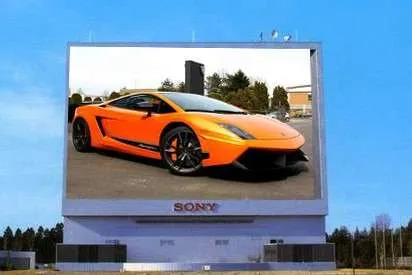
- Big screens and scoreboards – Fans glance up at big displays and scoreboards to see replays, lineups, and stats, which are the most exciting times. When a brand is linked to a replay or a highlight, it sticks in the mind of that play. Sponsoring a scoreboard is also a sign of status because it keeps fans’ focus on the event.
- Fascias and in-bowl signage – These are always there surrounding dining areas. They might not be the main focus, but repeating them makes people more familiar with them, which strengthens your brand for the whole 90 minutes.
- Concourse, VIP, and hospitality areas – In spots where fans hang out like the concourse, VIP, and hospitality areas, brands have greater room to tell stories while people order food, network, or relax between halves. These placements are especially useful for B2B sponsors who want to reach executives and decision-makers who are going to the game.
When you mix static signs with digital screens, you get a layered effect. Static signs make things look the same, but digital signs change with the moment, such during halftime or when a last-minute winner is announced.
Benefits Beyond the Bowl: Broadcast and Social Multiplier
The power of advertising in football stadiums goes far beyond the people inside. When the cameras start rolling, the identical boards are on national TV, highlight reels, and internet platforms. A logo on an LED screen on the sideline can be seen more than once. It could show up in a viral video that is shared millions of times on social media.
Interviews on the field, cutaway shots of applauding spectators, and dramatic replays typically show the branding in the background, which makes you think of it even if you didn’t pay for it. That is earned media working for you. In reality, a single well-placed ad can greatly increase its worth, making a local stadium buy visible in a larger area, across the country, or even around the world. This broadcast and social ripple is why stadium media always has one of the best exposure returns compared to other types of out-of-home advertising.
Cost, Flexibility, and Buying Options
Digital technology has made football stadium billboards easier to see, which is one of their best features nowadays. Digital LED placements may be modified by uploading a new file, which saves a lot of money on production expenses compared to static boards that need new printing for each campaign.
You can also invest in flexible packages. Some sponsors choose to have their teams play each other once a week, while others arrange season-long partnerships to keep things going. Venues frequently give you an idea of how many people will be there and how far the broadcast will travel, so you can evaluate choices like you would with online ads.
Exterior stadium boards catch supporters as they come in and out of the venue, while interior spots target them during the game itself. This modular strategy lets you have an effect without having to commit to a whole year. You can target high-profile fixtures, finish a weekly package, or even test response with a one-time activation.
Measuring Impact and ROI

It’s not enough to just get your logo viewed at a stadium; you also have to show that it worked. There are a lot of ways to quantify impact, the first of which is raw impressions, which include attendance statistics, broadcast reach, and audited media stats from the location. To get even more specific, a lot of brands add trackable QR codes or unique URLs that keep track of scans and visits related to the campaign.
Another typical approach is recall studies. Surveys reveal that fans remember in-stadium advertising more often, especially those that were shown during peak times. It’s also helpful to break down findings by type of fan. For example, hardcore season-ticket holders tend to remember sponsors better than casual attendees. This can help you decide how to influence future purchases.
When the sponsorship feels real, like a fitness company working with a club known for its training culture, it works best. That brand-team fit makes the link stronger, which not only raises awareness but also increases preference and buy intent.
Creative That Cuts Through
If the creative doesn’t work in a stadium, even the best placement won’t work. Messages need to be big, clear, and easy to read from a distance. This is different from a mobile screen. The best designs use strong contrast and few words—usually less than seven—to make sure that fans and cameras can see the message properly.
Motion can be strong on LED boards, but too much animation takes away from the game and makes people tune it out, thus the best uses of it are when it’s used selectively to make a point. Spots that happen as something happens, like a surge of celebration when a goal is scored or an activation at halftime, connect the brand to the mood of the moment, making it far more memorable.
Interactive calls to action, like scan-to-enter contests, live polls, or real-time fan shoutouts, are great because they connect the physical and digital experiences. In summary, creative work should be huge, bold, emotionally powerful, and always made with the camera lens in mind.
Targeting and Timing Strategy
Choosing the proper matches and times is the first step to getting great outcomes. People in the area are very interested in rivalry games and championship deciders, but foreign friendlies and cup ties bring in a wider range of people and tourists. Families tend to go out on Saturday afternoons, whereas businesses and hotels tend to go out on Wednesday nights.
Map your audience to fixtures, then set the frequency such that fans see your message often enough to remember it but not so much that they feel bombarded. Use “dayparting” during the event: before the game (anticipation), during the game (peak emotion), during halftime (high dwell), and after the game (celebration or reflection). Treat your purchase as a test-and-learn plan: start with 2–3 priority fixtures, switch out two creatives, and look at scans, traffic, and recall. If you want to do business-to-business (B2B), offer hospitality.
VIP boxes and club lounges turn impressions into conversations. And don’t forget to make sure that the context is right: a hydration brand near team warm-ups, a fintech offer linked to ticketing promotions, or travel discounts that come up around away-day announcements are all good ideas for football stadium billboards.
Case-Style Proof Points and Signals
You don’t need a 40-page case study to feel sure; you just need the appropriate signals. To figure out how much a broadcast is worth, start with audited attendance and the venue’s impression model. Then ask for camera-exposure logs or “on-screen minutes” by placement. Perimeter LEDs usually do well because they are in replay angles, fascias establish continuity, and scoreboards own the major moments.
Dynamic QR codes (one for each match), UTM-tagged URLs, and offer redemptions that happen at halftime or when a goal is scored are all examples of digital proof. On game days, keep an eye out for double-digit increases in direct and branded search, as well as interaction on clips when your logo is in the frame. Run brief recall polls to separate heavy fans from casual fans.
Heavy supporters tend to remember sponsors more and potentially affect homes. Lastly, compare the CPMs of stadiums (with expected TV and social media overflow) to those of your local OOH and paid social. When creative suits the occasion, these signals line up: higher unaided memory, stronger sponsor connection, and measurable site or offer activity.
Pitfalls and How to Avoid Them

Messy things can kill. Make sure the material is no more than seven words long, the contrast is as high as possible, and the design is for a TV camera 80 yards away, not a laptop mockup. Don’t choose bad sponsorships; people won’t pay attention if the brand doesn’t blend in with the team or community. Don’t play the same loop over and over again every 30 seconds. Instead, limit the number of times it plays and switch between two and three cut-downs to keep things interesting.
It’s important to test creative on the real LED to avoid flicker and banding on broadcast. Make sure the refresh rate matches, avoid tight patterns that produce moiré, and adjust the brightness so that whites don’t bloom. Set a color palette that is “camera-safe” and check with the production team to make sure the white balance is correct.
Operational misses hurt ROI. There is no live-ops strategy for goal/halftime triggers, no unique QR/URL for each match, or no baseline measurements. Use a pre-flight checklist to fix it. This should include creative proof at scale, a camera test, a trigger map, setting up tracking, and reporting after the game.
Compliance matters so make sure you know the regulations for alcohol and betting, how to protect your brand when there are rivalries, and your rights to repost on social media. Do these things, and the billboards at football stadiums will give you the punch you paid for.
FAQs
What is the cost of football stadium billboards?
Prices depend on the venue, the type of game, and the format. The cost of perimeter LED rotations at big stadiums can be in the tens of thousands of dollars per match, but smaller installations like concourse signs may be far cheaper. Packages often change according on how many people see them, such as single matches, seasonal promotions, or packaged broadcast rights.
How are impressions measured for stadium ads?
Venues usually figure out impressions by looking at how many people actually showed up, how many people went through the turnstiles, and how many people watched the event on TV. Social media clips and highlights add reach by including ads in replays, interviews, and fan-shot videos without the viewer having to do anything.
Which formats deliver the highest visibility?
Perimeter LED boards and huge screens normally get the most attention because they are in the way of people’s view and are seen on TV. Fascias provide strength, but concourse and VIP placements are better for dwell time and getting people more involved with the brand.
Can smaller businesses advertise in stadiums?
Yes. Many stadiums include flexible buying options, like single-game slots, rotating LED installations, or campaigns that are exclusively available digitally. This makes sponsorship possible for regional firms as well as multinationals.
How can ROI be tracked effectively?
You can keep track of ROI by using a mix of QR code scans, UTM-tracked URLs, promo redemptions, recall studies, and looking at sales or traffic surges on game days. When you combine these techniques with impression data from the venue, you get a clear picture of how well you’re doing.
Conclusion
When placed, timed, and done well, football stadium billboards turn passion into brand connection. They reach more people than any other type of advertising, both inside the arena and through broadcasts and social media clips. Plus, they connect your business to moments that fans will always remember. When done well, they leave a lasting impression on both awareness and recall, showing that every match can be more than just a game; it can be a marketing win.




 English
  Russian
  Spanish
  Arabic
  German
  Korean
  French
  Portuguese
  Italian
  Persian
  Indonesian
  Turkish