
The advancement of display technology has paved the way for the introduction of different types of LED technologies and screens. This can be a bit intimidating, especially with all the 3D marketing spectacles that have gone viral nowadays. And with its popularity, it’s not surprising that many believe LED screen costs are high and beyond reach. Despite the expensive costs, is getting an LED display worth every penny of its investment?
It would be difficult to answer this question without taking into consideration all the other aspects of the situation. To give you a better chance at answering though, let’s learn more about LED screens and the values and expenses that come with getting one.
Defining LED Display and Today’s LED Screen Cost

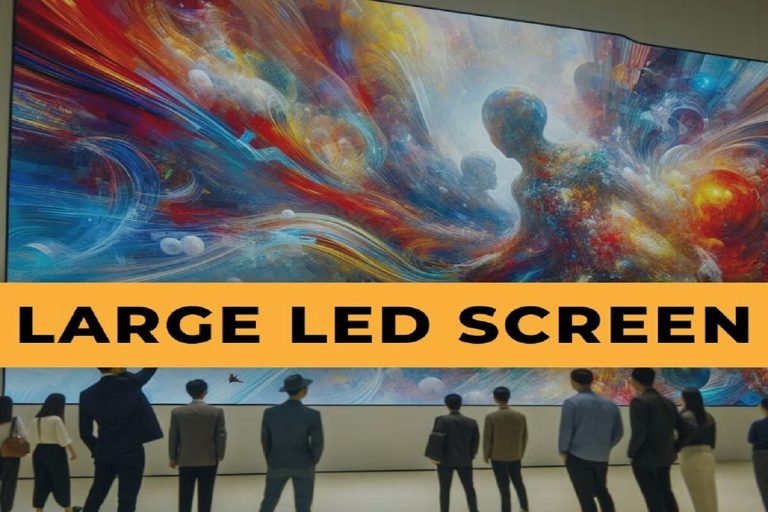
An LED display is a visual device that uses diodes capable of producing their own light to recreate colors and images. It delivers high-quality and vibrant images that make it popular in the global market, from a simple entertainment device to an effective marketing tool. Granted to say, it is an innovative device that holds people’s attention today.
In this advanced display, light emitted from the diodes creates pixels that are responsible for the reproduction of colors and images on the screen. LEDs can be categorized as either red, green, or blue, and these three alone help to produce 16 million colors that the display can use to recreate realistic images
An LED screen is different from its predecessors, which are the following:
- CRT or Cathode Ray Tube
- LCD or Liquid Crystal Display
The development of display technology skimmed through like a comic book showing different scenes at a fast pace. In the past, bulky televisions and CRTs (cathode ray tubes) reigned supreme.
LEDs are more efficient in a way that they do not need a heat source or backlighting to operate. The brightness of the device is also incredible and literally lit up many streets and public locations today. Considering its popularity in almost every industry in today’s market, it’s not surprising that the global market for LED displays has reached around $17.89 billion in total. With the booming industry comes the increase in prices, especially the new LED screens with more advanced functionalities and features. With this overwhelming amount, what is the actually LED screen cost you have to pay for?
LED Screen Price List: Based on Display Types

It’s difficult to pinpoint a specific number when asked about the LED screen cost and this is because the value is often influenced by a variety of factors like brand, resolution, and screen (all will be further discussed in the latter part of this article).
While we can’t put an exact amount on the LED screen cost, what we can do is provide an estimate for some of the most popular LED displays used in the market today. A list of prices was gathered for indoor, outdoor, and transparent in a variety of sizes and resolutions. Hopefully, this will provide a sneak peek at what you can expect to pay.
Small Indoor LED Screen Price

Small indoor LED displays are the screens basically screens that are within 15 to 65 inches and are often used inside establishments. Here’s a look at the indoor LED screen costs you might have to pay for if you’re considering buying a small indoor LED screen.
| Types of Small Indoor LED Screens | LED Screen Cost (in USD) |
| 15-inch LED screen | $200 to $500 |
| 65-inch LED screen | $2,000 to $6,000 |
| 32-inch Full HD LED Screen | $300 to $800 |
| 65-inch Full HD LED Screen | $1,000 to $3,000 |
| 55-inch 4K Resolution LED Screen | $1,500 to $4,000 |
| 65-inch 4K Resolution LED Screen | $2,500 to $6,000 |
Besides the different resolutions, LED screen costs may also differ based on the packaging technology used for the modules. These are some examples of these prices:
- 32-inch SMD LED display – $500 to $1,000
- 55-inch SMD LED display – $2,000 to $5,000
Big Indoor LED Screen Price

If you’re looking for a bigger indoor display, you have so many options that can range from 75 inches to a massive 300 inches of screen in size. These displays are perfect for the following:
- Commercial events
- Concert venues
- Conference rooms
- Sports events
- Trade shows
Here are some of the LED screen costs of big indoor LED displays:
| Types of Big Indoor LED Screens | LED Screen Cost (in USD) |
| 75-inch LED screen | $2,500 to $6,000 |
| 300-inch LED screen | $35,000 to $120,000 |
| 100-inch Full HD LED Screen | $5,000 to $10,000 |
| 300-inch Full HD LED Screen | $50,000 to $100,000 |
| 100-inch 4K Resolution LED Screen | $10,000 to $20,000 |
| 300-inch 4K Resolution LED Screen | $100,000 to $200,000 |
For the LED screen costs based on the packaging technology used, these are some of the values you can expect for large outdoor screens:
- 100-inch SMD LED display – $20,000 to $50,000
- 300-inch SMD LED display – $200,000 to $500,000
Small Outdoor LED Screen Price

If you’re hosting an intimate event outside and you need a small display, these are some of the small outdoor LED screen costs you need to know about.
| Types of Small Outdoor LED Screens | LED Screen Cost (in USD) |
| 10-inch LED screen | $300 to $500 |
| 60-inch LED screen | $2,500 to $8,000 |
| 32-inch Full HD LED Screen | $800 to $1,500 |
| 60-inch Full HD LED Screen | $4,000 to $6,000 |
| 32-inch 4K Resolution LED Screen | $1,500 to $3,000 |
| 60-inch 4K Resolution LED Screen | $6,000 to $8,000 |
Once you buy a small outdoor LED display, you will also have to take care of the installation and maintenance. To get the help of professional installers, you will need to pay them around $1,000 to $5,000 to put up the LED screen. For maintenance costs, expect to spend between $500 to $1,500 annually.
Big Outdoor LED Screen Price

Outdoor LED screens are often designed to be more durable and brighter than indoor LED displays, which can come at a price, especially if you’re dealing with massive screens. These screens have sizes that start as small as 50 inches to as gigantic as 400 inches.
For large events outdoors, getting a massive LED display to be installed outside might be the star of the party. To get an inkling of the LED screen costs you need to budget from, here are the prices for a 75-inch and a 400-inch outdoor LED display.
| Types of Big Outdoor LED Screens | LED Screen Cost (in USD) |
| 75-inch LED screen | $2,500 to $6,000 |
| 400-inch LED screen | $25,000 to $100,000 |
Large outdoor LED screens can be more difficult to transport, install, and maintain because of their size. There’s a chance that you will need the help of more people just to mount the LED modules to their corresponding places. With this in mind, make sure you have around $4,000 to $25,000 on hand to pay for the installation charges.
Transparent LED Screen Price

Transparent LED displays are classy screens integrated with advanced display technology that offers more flexibility and visual appeal. They can be used both indoors and outdoors, as long as the appropriate level of brightness is met to operate under intense lighting conditions. Here are some of the applications where a transparent LED display can be used:
- Airports
- Bus stations
- Train stations
- Elevators
- Corporate events and shows
- Art galleries
- Retail stores
- Building facades
| Types of Transparent LED Screens | LED Screen Cost (in USD) |
| 100-square foot | $15,000 to $40,000 |
| 100-square foot Full HD LED Screen | $30,000 to $70,000 |
| 200-square foot Full HD LED Screen | $80,000 to $150,000 |
| 100-square foot 4K Resolution LED Screen | $65,000 to $150,000 |
| 200-square foot 4K Resolution LED Screen | $150,000 to $300,000 |
How Much Do You Need To Pay for a Rental LED Display?
If you don’t have the budget to buy a brand-new LED display, you can just rent a device for several days until your event is over. Here are the LED screen costs for rental services.
| Types of Rental LED Screens | LED Screen Cost (in USD)/daily |
| Standard LED Screen | $500 to $2,500 |
| 4K/8K LED Screen | $2,500 to $5,000 |
| Installation Costs | $1,000 to $10,000 |
| Maintenance Costs | $500 to $2,000 |
Besides the resolution, the value of the prices for LED screen rentals will also be affected based on the sizes of the displays. The amount won’t just include the LED panel but also other elements you will need to operate the screen, including the following:
- Mounting gear
- Signal converters
- Video processors
Besides the additional equipment, the transport of all these items will also be included in the expenses. Meanwhile, the maintenance costs will also include technical support and equipment repairs.
Deep-Dive Into The 12 Elements That Influence LED Screen Panel Price

Now that you know the LED screen costs to prepare for, whether you choose to buy a new LED display or rent one for your event, the next thing to do is to discuss all the factors that can increase or decrease the prices you will need to pay for.
1. Purpose

Where will you use the LED screen? One of the factors that can affect the LED screen cost is whether you’re getting an indoor screen or an outdoor one. Technically speaking, outdoor LED displays are more expensive because they are structured to have higher brightness levels and higher IP ratings to be able to operate effectively even when installed outdoors. They need to be resistant to weathering elements, including wind, moisture, and UV rays. Here are some of the ideal applications for outdoor LED displays:
- OOH (out-of-home) advertisements
- Outdoor concerts
- Open stadiums and arenas
The LED screen costs for indoor displays are significantly cheaper than outdoor screens. You can use them in the following applications:
- Small indoor events (Rehearsal dinners, intimate parties, private shows, small-scale fundraisers)
- In-house commercial establishments (Restaurants, spas, and retail stores)
- Hotels and hospitals
2. Screen Size
One of the most obvious aspects that affect LED screen cost is the size of the display. With so many sizes of LED screens to choose from, you will definitely find a screen just right enough for your needs and can be seen comfortably by your target audience. LED screen sizes are often measured in inches and refer to value when you measure the display diagonally. This is how the sizes only come with one value.
Bigger displays are significantly more expensive since they are made of several modules to make up for the gigantic size. If you’re going for a good-quality large LED screen capable of delivering realistic images, you will have to cough up more money than if you decide to go with a small display.
Besides the actual LED panel, you will also have to pay extra for the following:
- Power supplies and extra wiring
- Mounting structures and frame
- Signal processors
In addition, you will need to add to the LED screen cost the team of installers who will help you assemble your large display and mount it to whatever position you want it to be in. If you install it outdoors, extra fees may also be considered for weatherproofing services.
If you’re set on a large display, choose to combine smaller LED panels to form your gigantic display instead of a single massive screen. This option is more affordable because of the easier installation process and supporting hardware laid evenly all over the small panels.
3. Pixel Pitch

Pixel pitch refers to measuring the space between the diodes when arranged in the LED module. Smaller intervals between the diodes mean higher pixel density and better image quality. LED screens with smaller pixel pitches often have higher LED screen costs than the ones with large pixel pitches. Since the distance between LEDs is smaller, it means that more diodes will be used to fill in an entire board. For screens with large pixel pitch, they have bigger gaps between LEDs so fewer diodes will be used in the process.
While it’s true for same-sized screens, this is not always the case. Many indoor LED displays have small pixel pitches while LED billboards have larger ones. This is because billboards are designed to be viewed from afar so even with high pixel pitch, the images on billboards can still look seamless. However, if you look closer and go nearer the billboard, you will see the pixels on the images you often don’t see from afar.
4. LED Screen Resolution

Similar to pixel pitch, LED screen resolution affects the quality of images displayed on the screen and so would naturally influence the LED screen cost. If you compare LED screens with different resolutions (like the prices on the tables presented in the previous discussion about LED costs), 4K and 8K LED displays are more expensive than Full HD and standard LED screens. This is because the higher the resolution, the better the image and video quality.
Besides paying for better video quality, getting a higher-resolution LED display also means that you’re paying for more LEDs installed on the module. Vibrant and good-quality images and videos were only possible after using more LEDs to mimic colors and realistic images. You will know how many LEDs were used from the resolution itself. An LED display with a resolution of 1600 x 900 pertains to the pixels in the screen in width and height.
Another difference when considering resolution is if you’re displaying static content or motion graphics. If you’re using the LED screen to show video content, you will need a higher resolution to accommodate the movements shown on the display in a smooth fashion. This decision will of course mean a more expensive LED screen to consider for your content. However, if the change in resolution is not that drastic, you won’t need to worry about the new LED screen cost since the addition will be so small that you’ll barely notice it.
5. Viewing Distance

The viewing distance is the space between the audience and the LED screen. It’s another important factor that can affect the LED screen cost. This is because the viewing distance is considered when deciding on the pixel density of the screen you’ll choose. It is also closely related to the pixel pitch of your LED display.
To better understand the relationship between viewing distance and pixel pitch, here is an in-depth discussion about them.
Shorter Viewing Distance: Small Pixel Pitch Applications
A shorter viewing distance means that the audience is pretty near the screen. With this close distance, you will need an LED display with a smaller pixel pitch, which means that more pixels will be used by the device. And more pixels translates to higher LED screen costs.
Some of the applications that would most likely require close viewing distance and small pixel pitch display are the following:
- Art exhibits, museums, and galleries
- Coffee shops and offices
- Small conference rooms
- Work lobbies
- Broadcast studios
- Control rooms
- Retail stores
- Gaming facilities
- Educational and training facilities
- Hybrid and virtual events
Longer Viewing Distance: Large Pixel Pitch Applications
Longer viewing distance often denotes huge crowds and the need for a wider viewing angle. In such a case, an LED display with a lower pitch density is recommended. This means you need to choose an LED screen with a higher pixel pitch to ensure that images and videos will look flawless from afar. A viewing distance of 25 feet will require more than 10mm of pixel pitch for your LED screen.
Where will you need LED screens with higher pixel pitch? These are some of the best places you can use large pixel pitches:
- Backdrop or a massive screen for concerts and music festivals
- Outdoor or out-of-home advertising like billboards
- Religious institutions like churches
- Public areas used for transit, including airports, bus stations, and train stations
- Sports arenas and stadiums
- Big conventions and trade shows
These are only some examples you can use LED displays with small pixel pitch and large pixel pitch. If you want an event to be successful or your investment to be worth the LED screen cost you paid for, make sure you choose the appropriate pixel pitch based on the viewing distance.
6. Features
LED screens do not have the same features and some of the more advanced displays offer incredible features you wouldn’t see and have access to in the standard operating ones. It’s one of the reasons why these advanced displays have higher LED screen costs than others. But what are the features that have a significant influence on your LED screen cost?
Brightness
This feature affects whether an LED display is more expensive or not. If a screen has more brightness levels, it means that it costs more. This is why outdoor screens are typically more expensive than indoor displays. Since outdoor displays are installed outside, where it’s exposed to sunlight, where lighting conditions are more intense, they need to be set at higher brightness for the images and videos to be clearly seen even in the morning when the sun is bright.
Higher brightness levels require more powerful LEDs. This means you have to pay more for these special LEDs that offer more brightness than usual.
Color Gamut
Color gamut simply refers to the selection of colors that the LED display has access to. This will dictate if the images shown on the screen will be more realistic and accurately mimic the real colors they should have.
If you’re using the LED screen for commercials and advertising purposes, getting a display with a wide color gamut is recommended. However, this also means you will need to pay for a higher LED screen cost.
Connectivity
LED displays use HDMI or DisplayPort for their connectivity options and these improvements (those are not what they used before) require more costs. Despite the added expense, the circuitry and electronic support of these connections are amazing.
Contrast Ratio
This feature refers to the proportion an LED display has between its highest brightness and the darkest black. Images on the screen can only be realistic if they can access incredibly dark blacks and the brightest whites. This means if you want crisp and vibrant images, you will need the following specifications that translate to higher costs:
- Higher contrast ratio
- High Dynamic Range or HDR
- Local dimming feature
Control Software
The control software you use to operate your display can also be an added LED screen cost. Personalizing control software may be more expensive but it also offers convenience and access to more advanced features you won’t get in your usual control software, including:
- Content management
- Remote management
- Scheduling feature
Of course, to use the better control software, you will need to pay for the licensing fees. There’s also a possibility for the need for more compatible (or advanced) hardware. This is where the extra LED screen cost comes from.
Installation
The installation process may also be considered when determining how much you pay. Some installation types are more complex than others, which increases the fees that you pay your installers. For example, ceiling-mounted LED screens require a better installation technique than a wall-mounted screen. The added mounting hardware will also be an added cost.
Panel Type
The type of LED panel you use can dictate whether you pay less or more. Traditional LED panels have lower LED screen costs compared to more advanced panels like OLEDs or micro LEDs. Besides the actual technology, you’re actually paging for the following added functions:
- Broad viewing angle
- Superior in-plane switching
- Color correction feature
Refresh Rate
A screen’s refresh rate is the speed at which images transition on the screen from one to the other. Higher refresh rates often result in smoother transitions and blue-free movements and actions shown on the display. LED screens with high refresh rates are ideal for these applications:
- Sports broadcasts
- Gaming
- Action films and shows
However, higher refresh rates also mean you need to use advanced technology to keep up with the faster response time. This is a more expensive option and may increase your total LED screen cost.
Viewing Angle
The viewing angle is the inclination necessary for viewers to view the display and to make sure that the screen is seen clearly from the vantage point of the audience. The images on the display must remain clear, wherever the audience is located. This is a specialty of OLEDs, which have significantly higher LED screen costs than other types of LED displays.
Weatherproofing
Outdoor LED displays are exposed to weathering elements that can be damaging to the device. This is why this type of display often costs more, because it requires weatherproofing to protect it against environmental elements, including the wind, rain, and sun. Protection may also mean added customization, which requires more equipment, parts, manufacturing effort, and experts to work on it. Ultimately, it requires more LED screen cost.
7. Cabinet Material

LED displays are not used bare without any element to protect them from external factors. More often than not, they come with sturdy and durable cabinets that can hold the panels together. Some of the uses of these cabinets include:
- Protecting the edges
- Connecting LED panels
- An added layer of coverage against external elements
These are some of the popular materials used to make these sturdy cabinets:
Carbon Fiber
This material is a favorite among designers and manufacturers because of the many advantages you can get from using the material and turning it into an LED display cabinet. Some of these benefits are:
- Lightweight – easier and convenient transport, installation, and maintenance
- Resistant to rust – excellent for outdoor installation
- High strength
- Resist erosion from acid rain fog
Despite the great things about this material though, it is regarded as one of the most expensive used for an LED cabinet and so can be an extra LED screen cost to worry about.
Aluminum
Aluminum is another favorite material used to create LED cabinets and the same with carbon fiber, it can be an expensive option. However, despite the added expense, many still prefer using it because of the following benefits:
- Excellent accuracy and precision
- Resistant to corrosion
- High strength and durability
- Lightweight and so offers convenient installation
- Provides seamless splicing
- Easy maintenance
More than just being expensive, aluminum may also need extra care and insulation if you’re going to use it as an LED cabinet. It’s not as strong as other metallic materials and may also cause electrical problems if not properly insulated.
Steel
LED cabinets can also be made of steel because of its durability and strength. The drawback of using steel through is that it’s prone to corrosion so you need to treat the metal with coatings and barriers just to protect it against moisture and other external elements that can cause and worsen rusting.
Painting the surface of the steel is the easiest way to protect it from rusting. Since paint fades over time, re-application will be needed so it adds a layer to the maintenance needed for the steel LED cabinet.
Iron
Iron can also work for a suitable LED cabinet and if you choose this option, you can get a cheaper LED screen cost because of the inexpensive material. It is one of the most common materials used as an LED cabinet because of the following characteristics:
- Easy to change shape
- Cheaper prices
- Good sealing capability
The downside of this material though includes the following disadvantages:
- Lacks precision when forming shapes
- Heavyweight
- Difficult to transport and install
- Prone to rusting after some time
Plastic
Finally, plastic can also be made into LED cabinets and this is popularly used for mobile LED displays. The material fits mobile installation because it’s lightweight. It also has less LED screen cost, which is a big advantage. However, it’s not as popular in other applications, especially since the effects of weather elements on the plastic LED cabinet are still uncertain.
The creation of these LED cabinets is always an added expense to the LED screen cost. When choosing the material to trust, take into account its durability, susceptibility to external factors and rusting, convenience of its installation, and overall maintenance cost and effort.
8. Location
Where you’re located can be a factor that increases or decreases the LED screen cost. Basically, when the LED screen is in demand in your area, chances are they have higher prices. If you will be renting space for your LED screen instead, renting locations can be quite expensive, especially in the following areas with high foot traffic:
- Airports
- Bus stops and stations
- Malls
- Marketplaces
- Sports stadiums
- Streets
More than just the foot traffic of the location, these location-based elements can also influence the LED screen costs you have to take care of:
Environmental Considerations
The different environmental elements in your area will also be taken into account. Will you need to weatherproof your LED screen? If you’re living in areas with high winds and extreme temperatures, it’s important to add an extra layer of protection. This means an addition to your LED screen cost.
Some of the ways you can do so are the following:
- Using rust-resistant and weathering-resistant materials
- Applying special coatings
- Adding ventilation or air conditioning systems
Local Laws and Rules
There are local rules and regulations you need to consider when putting up your LED display, especially when you’re planning to put up your LED display in a public area. In this case, you will need to submit specific requirements to your local government in order to be approved to put up your display. You just need to know about your town’s regulations and building codes when it comes to installing LED screens.
Some requirements for you to consider to abide by the rules are the following:
- Building permits and inspections
- Wind load calculations
- Seismic design requirements
- Local regulation compliance
Local Market Competition
If many manufacturers and providers are operating in your area, there’s a high chance you will be quoted lower LED screen costs compared to if you’re living in an area with very few LED screen suppliers. It’s the simple principle of supply and demand so if you want to get discounted, buy in areas with many providers willing to help you.
While you can get your LED screen and installation materials online, go straight to the manufacturers to ask for available packages. If you directly go to the providers, you will have lower overhead costs and so may decrease what you pay for.
9. Brand
Some LED screens from specific brands are more expensive than others. They have higher LED screen costs because of some elements on the side of the company that increase the expenses and skyrocket those prices. Here are some of the brand factors that contribute to the increasing costs of the screens:
- Research and Development Efforts – Many companies make sure that what they’re offering is high-quality and something they can be proud of. This is why they take their R&D projects seriously and try to come up with a competitive device that can lure in more customers and amaze them with new innovations. However, the development of possibly new technologies and more advanced LED screens requires a big budget. From there, the expenses are added to the LED screen costs that customers pay for to enjoy the new device and technology.
- Marketing Goals and Projects – Companies market their LED screens in a way that can hopefully provide them with a fast return on investment and generate more revenue. They need to promote the new products through different marketing channels, from online ads to large billboards in the city skylines. All the expenses used for the marketing will also affect the LED screen cost that customers will need to deal with when they purchase a device.
- Brand Reputation – This refers to how the market sees the company and its brand. Some may see this element as a form of exclusiveness, where only those who can afford them will be able to buy them. However, it can also be the other way around, where the company’s brand reputation sank to the point that people don’t expect much from the company anymore they don’t buy from them. This results in the company decreasing the LED screen cost just to attract customers to purchase from them.
10. Delivery and Transport
Delivery and transport affect the overall LED screen costs you need to take care of. Often known as the shipping cost, it is determined by the following elements:
- Model and size of the LED display
- Quantity of items purchased
- Delivery location and timeframe
- Weight of the entire package
- Shipping methods and materials used
- Delivery type: standard or priority/fast-tracked/expedited
- Local or international delivery
The heavier and bigger the package, the more expensive the shipping and delivery are. In general, your LED screen cost will increase because of the added fees.
If you live quite a distance away from the origin where the LED display package will be delivered, you will need to pay for the resources that made it possible to bring your order to you. This means the handling time, gas spent on the trip, and the special handling needed to take care of your package. Besides the added fees based on the distance, if you get your LED screens outside the country, you will also need to pay for the following:
- Customs fees
- International shipping taxes
- Delivery labor costs
Finally, there’s also an option to expedite the delivery of your LED display. In such a case, you will have to spend more on the priority status of your delivery. This is recommended if you need the LED screen as soon as possible.
Some providers bundle the delivery and transport to your total LED screen cost and label it as “free delivery” so make sure to ask your provider about it and other additional transport fees you might need to take care of.
11. Installation

The installation of your LED screen can either be done by the professionals hired by your display provider or with your own hands. Obviously, going DIY in the installation of your LED screen can save you a lot of money but nothing beats the work of the professionals even if it can add to the LED screen cost you need to pay for.
The total installation costs rely on the following factors:
- LED screen size and weight
- LED screen model
- Complexity of the type of LED screen
- Installation location and accessibility
- Installer fee
Some installations have special tools and equipment that need to be properly positioned and mounted. Some of these tools and equipment are the following:
- Ladder
- Special lifts
- Scaffolding
If you’re lucky enough, you can get a deal where free installation is part of the package. More often than not, customers pay for the installation fee anyway when they get the LED display. It’s only possible for simple installation but more complex installation may require added fees.
12. Maintenance
The maintenance of your LED screen is some sort of an investment you can put into your display. Some LED displays have a little higher LED screen cost because of the almost no-to-use maintenance that the display requires.
LED Screen Maintenance
Cleaning is underrated and you can find out for yourself that clearing your display from dirt and dust can help keep the quality of the device. Cleaning the screen’s surface improves your display’s clarity and brightness so make it a habit to use line-free cloth on your screen.
Check out if your software needs updating. LED screens often use software to manage the content and settings of your LED screen. With new updates, you will be able to:
- Have access to new features
- Fix bugs in your system
- Utilize the best that the software offers
The best thing about software updates is that they’re free. You just need to visit the site of the software you’re using and download and plug in for the updates from them.
Device calibration is another part of your maintenance process. This refers to the act of making sure that the screen’s setting is in the standard values. Calibrating offers the following benefits:
- Improves image quality
- Guarantees color accuracy
- Ensures optimal brightness
Hire an expert to calibrate your LED screens to avoid further issues in the future.
LED Screen Repair
There will also be times when your LED display needs repairing. This may involve one of the following:
- Control board failure
- Not working power supply
- Discoloration on the screen
Whatever issue you have noticed in your LED display, make sure that you contact a professional for the repair. Check with your provider if you have a warranty you can use to avoid paying for the repair fees.
5 Money-Saving Tips To Get Cheaper Advertising LED Screen Prices

Now that you’re aware of the different factors that influence LED screen cost, you can use that new learning to move things around and get the price you can afford and are willing to pay. However, if that’s still not enough and you’re running on a tight budget, here are some of the practical tips you can do to even lessen what you need to pay for:
1. Canvass for Different Prices
Scout the market for the best prices of LED displays that meet your requirements and specifications. Go to research mode and check out all the options you may have.
Go window shopping for LED display providers and the different products and packages they offer. Start with the shops near you before you explore your options online. Look at the LED screen costs you will need to pay if you choose their LED screens. These are some of the costs you need to know about:
- Additional features fees
- Delivery fees
- Installation fees
- Maintenance fees
Once you get to know the prices, you have now the power to decide which products you’ve checked out are within your budget. Don’t forget to take into account the deals and packages offered that can save you from paying additional fees. Never hesitate to ask too if there are fees in your statement that you don’t understand to avoid paying for hidden fees.
2. Consider Buying Refurbished or Used LED Displays
Refurbished or used products seem to have a bad reputation for many people but it’s actually something you can take advantage of. Granted, these items are not brand new, it doesn’t also mean that there’s something wrong with them. Of course, you just need to know what to look for. Once you do, you get a great deal and a way lower LED screen cost to pay for.
Used and refurbished screens often come from companies selling their old displays because they’re planning to upgrade to better screens. These screens often have lower prices but the amount of your discount is dependent on the following elements:
- LED screen type and model
- Manufacturer
- The current state of the device
When going for used and refurbished LED screens, make sure you check out the provider you’re dealing with. Trust is very important in this kind of transaction and it will help you be able to trust the vendor better if they can assure you the following:
- Warranty
- Vendor reliability
- Return policy
3. Opt to Buy LED Screen in Bulk

Another thing you can consider to lower the LED screen cost is to buy the devices in bulk. If you’re purchasing screens for your team and your company, buying them in large numbers can lead to paying cheaper LED screen costs. Here’s why:
1. You get volume discounts
LED manufacturers are much more inclined to offer discounts to customers who buy in large numbers than the ones who purchase a single device. If your provider offers you a percentage off each device, this means that buying more gets you more savings.
Of course, make sure that you actually need the LED screens and have the budget for them before going on a negotiation about bulk purchases. Be clear with your vendors on the discounts to avoid confusion at the checkout counter.
2. Offers better planning schedule
Buying in bulk offers more than just reduced LED screen cost but also the opportunity to plan ahead of time. Since the purchase is a bit large, it takes more planning so you will be sure that what you’re getting is really something you need.
3. Logistics is simplified
When you buy the LED screens in bulk, all the other smaller tasks involved in the transaction will also need to be done. This means that the delivery and transport, installation, and maintenance will all be done in one go rather than doing them one at a time. This simplifies all the logistics needed for the transactions and makes the process less complex.
4. Promotes better project coordination
Deciding to purchase bulk LED screens will help promote lower LED screen costs and better project coordination skills. Of course, you also need to be ready once the screens all arrive at the same time and how you will assign people to do the tasks that come with the delivery.
5. Enjoy faster turnaround time
Once you receive all the LED displays, you can quickly set them up in your chosen location and start your project immediately. This will ensure that whatever goals you have in mind for using LED displays can immediately be met.
6. Offers higher scalability
One of the best characteristics of LED displays is that they are scalable. If you buy the screens in bulk, you can structure them however big you want them to be. Even if at first you’ve settled on a smaller LED ensemble, you always have the option of adding more screens to make it bigger and grander.
7. Gets better warranty options
Another great thing about bulk orders besides reduced LED screen cost is the availability of better warranty options. Manufacturers find people who buy in large numbers a blessing to have as a customers and would surely be more often for better warranty options. Protect all the screens you got by asking for an upgrade on the warranty with the main reason hinged on the fact that you bought a lot of screens from the provider.
8. Enjoys excellent customer service
With so many screens to take care of, customer services are more inclined to be helpful with your needs. Talk to your provider about the 24/7 customer service support to guarantee you can ask for help anytime you need it.
9. Pays lower shipping costs
Buying in large numbers means you only get to pay for the shipping cost once, which as a result reduces the overall LED screen cost. One transaction is always better than multiple transactions with multiple fees you need to pay.
10. Acquire better cost management skills
Dealing with multiple LED screens in one transaction can be challenging but it will also teach you to be better in management and project handling. Your main goal is to make sure your purchases are within budget.
11. Deals with reduced paperwork
Instead of buying the LED screens one at a time and creating purchase orders for the company every time, you get to buy several displays all in a single transaction, reducing the paperwork you need to get approved.
4. Try Out Higher Pixel Pitch
If you’re getting an LED display for an audience, why not try getting one with a higher pixel pitch? LED screens with higher pixel pitch have significantly lower LED screen cost but it doesn’t mean they have worse image quality. Choosing one level above your original pixel pitch choice won’t make much difference, especially if you’re planning to cater to a crowd and not an intimate group of 6 who will stay near the screen every time.
LED displays with small pixel pitch are more expensive so you can save some money by choosing a higher pixel pitch. You simply need to take other factors into account, including the following:
- Viewing distance
- Viewing angle
- Image quality
- Indoor or outdoor
5. Find the Right LED Display Manufacturer
Besides finding the ideal LED screen, finding the right manufacturer can also help you reduce your LED screen cost. You don’t have to choose the most reputable brand (especially if they come with high LED screen costs) but you need to choose brands that provide the following:
Wide Variety of Product Choices
A manufacturer that offers a wide variety of products and services in their portfolio can offer you the freedom to choose the exact LED display that will meet your needs. Ask for their portfolio that contains all the LED screens they offer, along with all the specifications and features. With a large selection to choose from, you are guaranteed to be able to find the ideal one for you.
Highly Compatible Systems
Besides the wide selection of products and services, check if the manufacturers offer systems that are highly compatible with other devices and equipment. They need to be compatible with the following:
- Controllers
- Software
- Media players
Excellent Technical Support
Always ask for the coverage of their technical support. Check out if your provider offers the following:
- 24/7 Technical Support
- Warranty Coverage
- Maintenance and Repair Services
Conclusion
LED screen cost comes in a wide range of values, with so many factors and elements to consider. You won’t be able to pinpoint a specific price for the device unless you’ve identified several considerations, including size, resolution, pixel pitch, and even installation and maintenance. With this in mind, a thorough assessment of your goals and display requirements is needed before actually getting the LED screen you can use.
Is it worth the investment? To answer this question, you’ll have to consider what you’re going to use it for. Check out if after using them, they were able to meet your goals. If you use them for advertising needs, see if they help improve your business operations and stats. If it’s for entertainment, consider your satisfaction in using them. While this article is all about LED screen costs, worth is not only measured by numbers but also by goals.


 English
  Russian
  Spanish
  Arabic
  German
  Korean
  French
  Portuguese
  Italian
  Persian
  Indonesian
  Turkish