

10 OOH Advertising Best Practices
Out-of-home (OOH) advertising is often called the “silent powerhouse” of marketing because it is always there and can be seen on roads, in busy cities, or at local sites. Effective OOH advertisements capture their viewers by means of planning, timing, and location, much like in a well-choreographed performance. Outdoor advertising has evolved into a canvas for vivid, dynamic messages that transcend static billboards of the past and create a memorable mix of beauty and utility as LED technology leads the charge.
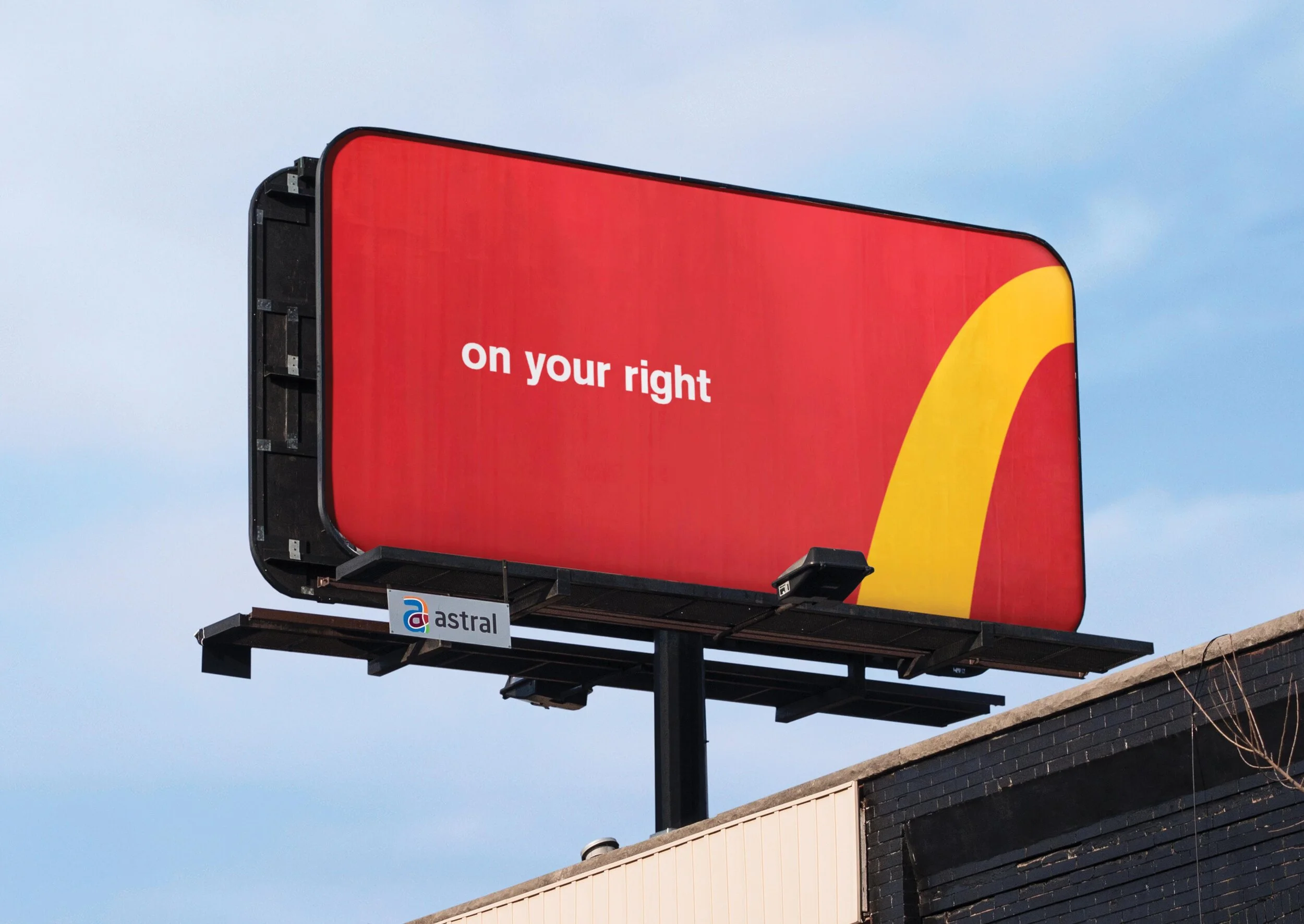
Knowing the best strategies for OOH advertising is never more important as companies investigate the benefits of outdoor advertising. From content optimization for LED displays to the use of real-time interaction technologies, these techniques guarantee ads resound, connect, and provide quantifiable outcomes. With an eye on optimizing the possibilities of LED technology, this book will go over ten expert-level best practices for OOH advertising. In this always-changing environment, you will learn how to adjust your message, track progress, and keep progress.
Use Dynamic Content in OOH Advertising
LED screens are very flexible, which makes dynamic content a key part of successful out-of-home advertising in the digital age. LED technology lets marketers instantly change and update messages depending on audience demographics, environmental conditions, or even current events, unlike fixed billboards. This best practice is predicated on the idea that tailored, relevant, timely ads establish closer relationships with viewers, therefore improving memory and involvement. Campaigns may stay fresh and responsive by including outside data sources such as weather updates, traffic conditions, or current topics—all of which are very vital in the often-changing terrain of OOH advertising trends.
Companies have employed dynamic content very well. An LED billboard may show various coffee commercials based on the climate, for example, hot coffee promos for cool nights and iced coffee ads for warm mornings. This tool not only emphasizes the benefits of outdoor advertising with LED screens—like adjustability and great visibility—but also generates an interactive layer appealing to current customers. Coca-Cola’s real-time name personalizing campaign—which displayed rotating names on its LED screens to directly engage people—was among the top outdoor advertising campaigns using this technique.
Advertisers could monitor indicators of effectiveness, including more foot traffic, purchases during ad display hours, or interaction on related digital platforms. Geofencing, among other tools, may provide information on the number of individuals who passed the LED billboard and engaged with the brand thereafter. Furthermore, it is useful in determining the general campaign acceptance through sentiment analysis from social media or client comments.
Content must be current and relevant if one is to sustain ongoing success. Dependent too much on one dynamic approach may lead to viewer tiredness, therefore lessening the effect of the commercials. Maintaining campaigns’ originality by being aware of OOH advertising trends—such as including artificial intelligence-driven customization or adjusting to new customer behavior—ensures ads stay creative. Frequent performance analysis and testing of new innovative ideas help companies bounce back rapidly from declines in efficacy.
Optimize Placement and Viewing Angles
In OOH advertising, location is crucial, and LED panels provide unmatched chances to maximize view. Human psychology drives the idea behind this best practice: advertising is most successful when positioned where target audiences are most likely to assemble and placed inside the natural line of sight. Whether mounted on urban building facades or deliberately placed at eye level along busy roads, LED displays provide for imaginative placements in highly trafficked areas. Their clarity and brightness help here to make sure your message jumps out even in messy surroundings.
For instance, a shop chain with LED billboards in a busy downtown location may arrange its displays at angles both seen by traffic and pedestrians at once. Similar angled LED setups in stadiums may provide optimal visibility for sponsors of events. Analyzing pedestrian movement and traffic density helps marketers maximize placement to reach the correct audience at the right moment, therefore highlighting the benefits of outdoor advertising with LEDs over conventional static billboards.
More impressions, engagement rates, and traffic to surrounding sites define success. Data from sensors or geofencing technologies allows one to compute metrics such as average daily impressions and dwell duration, therefore guaranteeing that the placement is maximizing ROI.
Review traffic patterns and make necessary placements for ongoing success. Cities change, and with them do watching habits. Frequent audits and creative exploration of fresh approaches or heights help to maintain ideal visibility even as surroundings change.
Craft Emotionally Resonant Content
People act based on their emotions a lot of the time, and the material shown on OOH LED screens should try to connect with people on an emotional level. Based on the psychological theory that individuals are more likely to recall and act on messages that arouse strong emotions—whether those emotions are pleasure, nostalgia, or urgency—this best practice centers on LED screens are perfect for ads that really connect with people as their vibrant colors and dynamic images accentuate emotional storytelling.
A holiday-themed LED campaign with warm, brilliant images and inspirational messaging, for example, may grab people’s attention and leave long-lasting effects. Using this approach, one of the finest outdoor advertising campaigns produced LED images that mimicked snowfall in a bright metropolis, therefore giving pedestrians an emotional and unforgettable experience.
Measuring brand sentiment by means of surveys or social media mentions, as well as measuring traffic to connected sites or venues, defines success. Strong emotional resonance will cause positive engagement and brand memory to soar.
Rotate emotional topics to keep campaigns new and maintain success. Over time, seasonal material, local allusions, or even user-generated tales might help to avoid emotional tiredness and keep the audience’s attention.
Use Motion Graphics to Enhance Viewer Attention
Motion graphics capture viewers in a way that still pictures just cannot. This hypothesis holds that the human eye is inherently attracted to movement, so LED displays are perfect for displaying animated material. LED technology allows motion, transitions, and effects that may visually appeal to advertisers, unlike those of stationary billboards. Maintaining abreast of OOH advertising trends depends much on this capacity.
A premium vehicle manufacturer may exhibit their newest model with an LED advertisement showing the car rapidly moving across the screen. This method not only emphasizes product qualities but also keeps the audience interested for more time than a fixed picture. In the same vein, moving text or countdown clocks could generate urgency and inspire a quick response.
Usually, success is assessed by counting the dwell times—that is, the time spent by viewers staring at the advertisement. Longer engagement periods imply that motion graphics are efficiently capturing interest.
Experiment often with many forms of movement and refresh animations if you want ongoing success. Keep it visually varied and in line with the objectives of the campaign, as overusing certain effects might cause viewers desensitization.
Employ Programmatic Advertising for LED Campaigns
Through automation of LED campaign placement, scheduling, and audience targeting, programmatic advertising is transforming OOH advertising. According to the principle behind this best practice, data-driven algorithms may maximize ad delivery, therefore guaranteeing relevancy and economy. Programmatic solutions let companies dynamically plan adverts, changing content depending on audience demographics, time of day, or other triggers like weather conditions.
A fast-food establishment may, for instance, broadcast programmatically planned LED advertising highlighting breakfast discounts during morning commutes and evening supper offers. These commercials may also change inreal-timee to provide cool drinks on sunny days. Such flexibility lets campaigns remain flexible and efficient, hence highlighting the benefits of outdoor advertising employing LED panels.
Tracking cost-per-thousand-impressions (CPM), engagement rates, and audience reach helps one gauge success. Usually providing strong statistics, programmatic systems let marketers closely assess campaign results.
Constantly improving targeting criteria and changing ad content to match current customer preferences will help to guarantee ongoing performance. To improve the next programmatic initiatives, routinely track performance statistics and include comments from past campaigns.
Customize Ads for Certain Areas Using Geotargeting
One very effective way to make OOH advertising more relevant and effective is geotargeting. The argument here is that proximity-based marketing increases engagement because it seems immediately relevant to the viewer’s current surroundings. Geotargeting-enabled LED panels may show tailored adverts depending on location-specific data.
A chain of restaurants may employ LED billboards next to its outlets to promote happy hour specials, for example, while a neighboring filling station would draw attention to lowered gasoline rates. Geotargeted LED panels could highlight team-related products during sporting events, therefore guaranteeing great audience relevance.
Tracking location-specific foot traffic and campaign-driven sales gains helps one gauge performance. Geofencing and consumer comments are among the tools that could help one understand the potency of these highly localized communications.
Update geotargeted material often to reflect seasonal patterns, events, or shifts in customer behavior if you want ongoing relevance. Maintaining fresh and regionally customized advertising guarantees, they will still appeal to the intended market.
Strategize Content To Match Viewer Intent
Maximizing the effect of OOH advertising is found via dayparting—that is, customizing adverts to certain times of the day. People have diverse demands and attitudes throughout the day; hence,e matching your message with those times enhances the possibility of interaction. LED panels help marketers plan many adverts for various time slots and make dayparting seamless.
For instance, a movie theater may advertise evening events during post-work traffic, while a coffee shop would highlight morning breakfast discounts on LED billboards during rush hour. The adaptability of LED technology guarantees that the material exactly fits the everyday activities of the target audience.
Time-specific indicators—such as better engagement rates when daypartered advertisements are shown or more purchases during promoted hours—help to define success. Advanced analytics technologies enable companies to pinpoint periods of maximum interaction and adjust their plans.
Periodically review dayparting plans depending on audience behavior changes or seasonal variations if you want success maintained. Try different time slots and unique concepts to keep campaigns interesting and relevant.
Emphasize Eco-Friendly Messaging on LED Billboards
OOH advertising trends increasingly show eco-consciousness as a top concern; businesses employing LED displays may leverage this by stressing sustainable messages. According to the hypothesis, customers are more willing to interact with companies showing environmental responsibility. LED displays, being energy-efficient and recyclable for many campaigns, already fit this story.
An actual example would be an LED campaign stressing the environmental advantages of an electric car maker. Dynamic, bright images may highlight environmental data or inspirational calls to action like carpooling or lessening plastic waste. This has a two-fold effect: highlighting the product and the environmental dedication of the marketer.
Many times, customer attitude and brand reputation help to define success. Surveys, social media participation, and even alliances with companies with an eye toward sustainability might reveal the potency of the campaign.
Frequent updates of environmentally beneficial messaging and matching them with local or worldwide environmental events help to keep them relevant. Using LED technology guarantees constant audience interaction through powerful sustainability storytelling.
Use Interactive Elements on LED Displays
QR codes and other interactive components may turn inert consumers into active participants in OOH advertising campaigns. The premise here is that viewers who have a direct means of interacting with the advertisement engage more. The high resolution and clarity of LED panels make them perfect for showing scannable QR codes linking visitors to websites, promotions, or special content.
A fashion merchant may, for example, show a QR code on an LED billboard, providing a discount to anyone who scans and visits their store. In a similar vein, a travel operator may connect visitors to exotic location video tours using QR codes. Combining digital engagement with great-scale exposure, these advertisements emphasize the benefits of outdoor advertising.
Tracking QR code scans, website visits, or app downloads produced by the campaign helps one to measure success. Metrics of audience involvement and conversion rates help to highlight the influence of the campaign.
Refresh QR-linked material often to guarantee interactive parts stay working and interesting if you want ongoing success. Provide gamified experiences or fresh incentives to inspire returning interactions.
Analyze Heatmaps and Traffic Data for Strategic Deployment
Good OOH advertising relies on being in the right location at the right moment; heatmaps combined with traffic data provide a scientific method to do this. The idea here is that by examining patterns of pedestrian and vehicle traffic, marketers may place LED panels where they will have the most effect.
A retail company may, for instance, utilize heatmaps to pinpoint the busiest crossroads in a city and then place LED billboards there. Advertisers may utilize traffic data to change LED screen locations or concentrate their message on paths with the most footfall during big events.
Comparatively evaluating impressions, engagement rates, and revenues before and after data-driven placements helps one to gauge success. Geofencing and location analytics, among other tools, help to measure outcomes more easily.
Update heatmap studies often to reflect shifting traffic patterns or urban growth if you want long-term success. Frequent data-based screen position optimization guarantees that your advertising stays visible and powerful.
Conclusion
OOH advertising relies on a mix of creativity, strategy, and technology. At the same time, methods such as geotargeting, motion graphics, and programmatic advertising guarantee exact audience targeting, dynamic content, optimal placements, and emotionally relevant messages to increase the effect of campaigns.
From interactive components like QR codes to dayparting techniques that fit viewer intent, LED displays’ flexibility presents many opportunities for interaction. Using data-driven insights—heatmaps and traffic patterns, among other things—advertisers may hone their efforts for observable results. These best practices underline the need to keep creative, always assess performance, and provide new material to keep relevance and support long-term success.


 English
  Russian
  Spanish
  Arabic
  German
  Korean
  French
  Portuguese
  Italian
  Persian
  Indonesian
  Turkish